Antique Franz Anton Mehlem (Royal Bonn) covered cheese dish, made in Bonn, Germany, between 1890 and 1920.
The Tower Stamp. The green mark on the underside of the tray and inside the lid features a castle tower enclosing the intertwined initials FAM above BONN GERMANY.
Pre-1920 Dating. Because it includes the word "Germany," it was made after the 1890 U.S. McKinley TariffAct, whichrequired imports to list their country of origin. The factory was sold to Villeroy & Boch in 1920, narrowing this piece's production window to that 30-year span.
Royal Connections. Mehlem’s factory earned the right to use the "Royal Bonn" name in 1890 after producing fine ceramics favored by European royalty.
Preventing Condensation. Before modern refrigeration, cheese was stored on countertops or in cool pantries. The twosmall ventilation holes near the handle let moisture escape so the cheese wouldn't sweat and grow mold too quickly.
Dripping Control. The slanted roof wasn't just an Art Nouveau style choice. If condensation did form inside the dome, the steep angle caused water droplets to run down the the back wall rather than dripping straight onto the cheese.
Dimensions: 8.5” long : 7”wide : 5”tall
Condition Notes
Age-appropriate heavy crazing throughout (typical for these pieces). No chips or cracks ; minor glaze wear and light interior staining consistent with age and use.
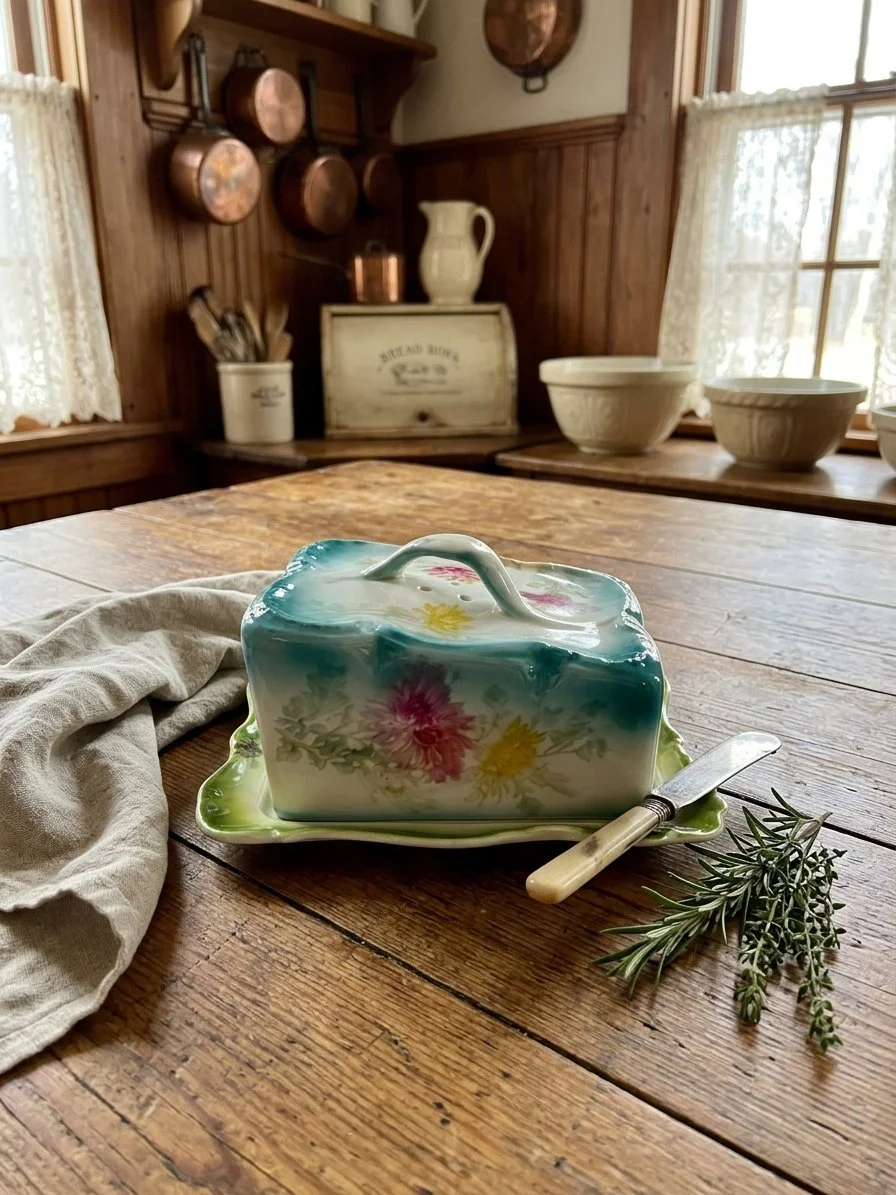 Image 1 of 7
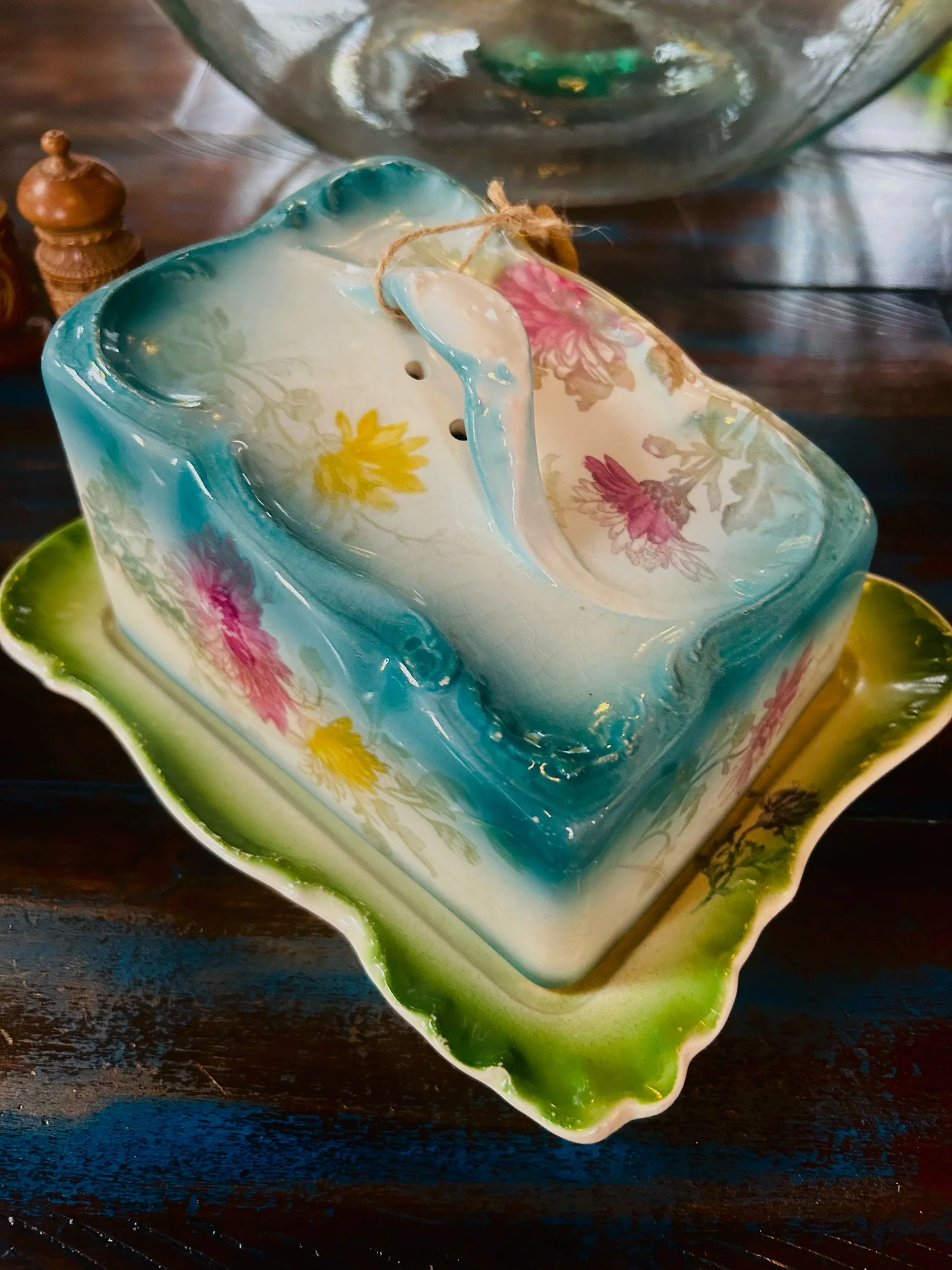 Image 2 of 7
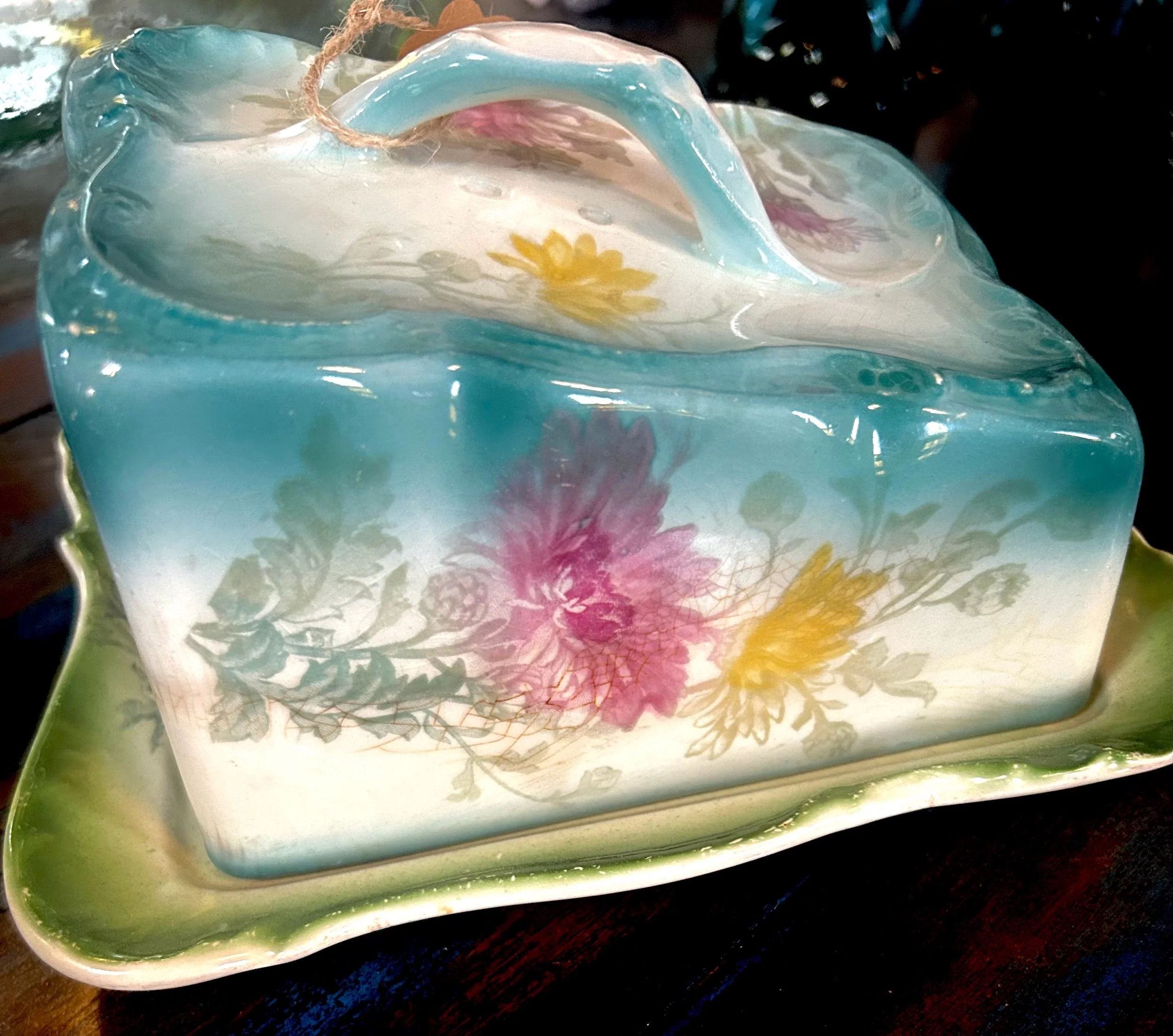 Image 3 of 7
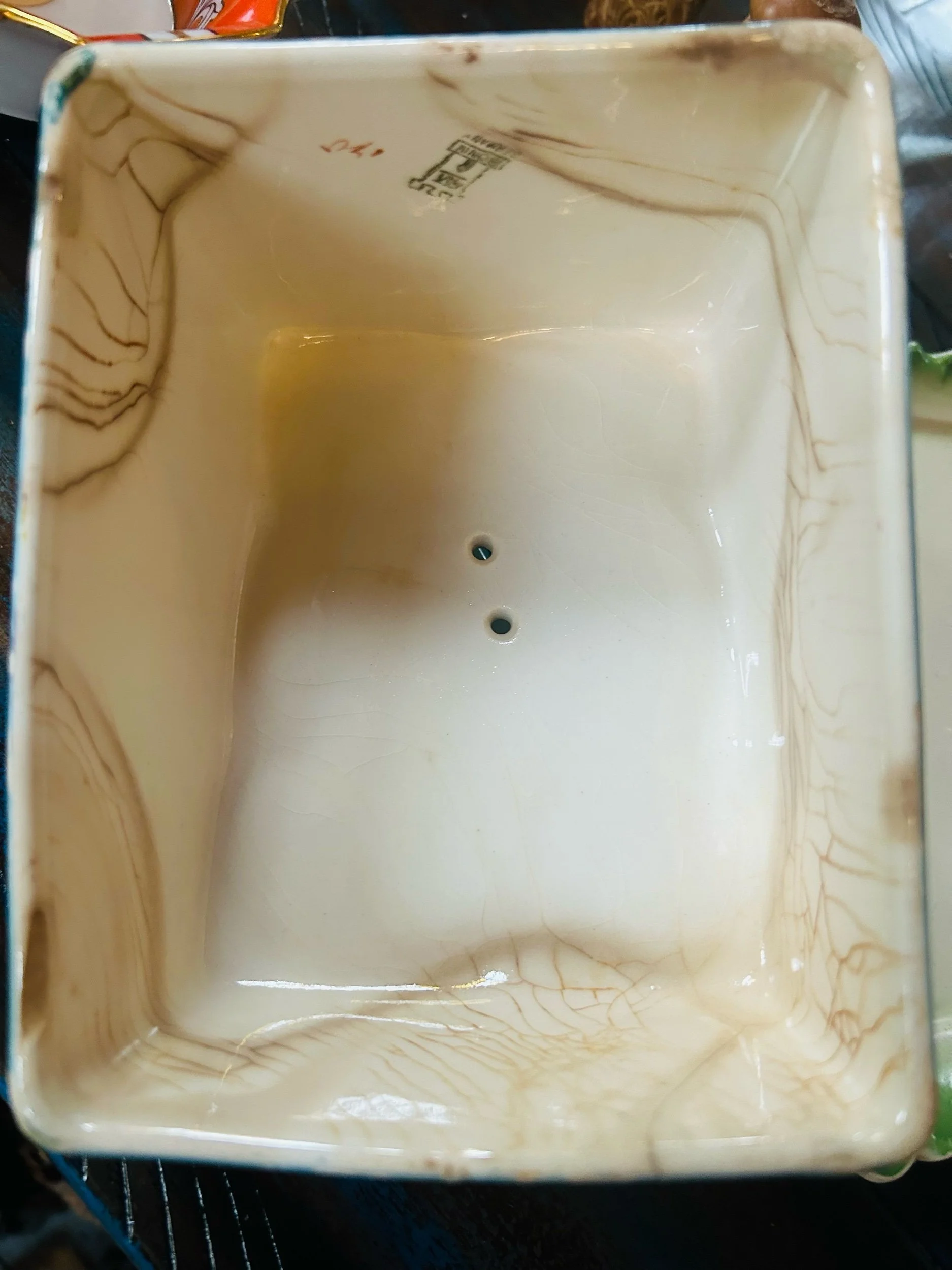 Image 4 of 7
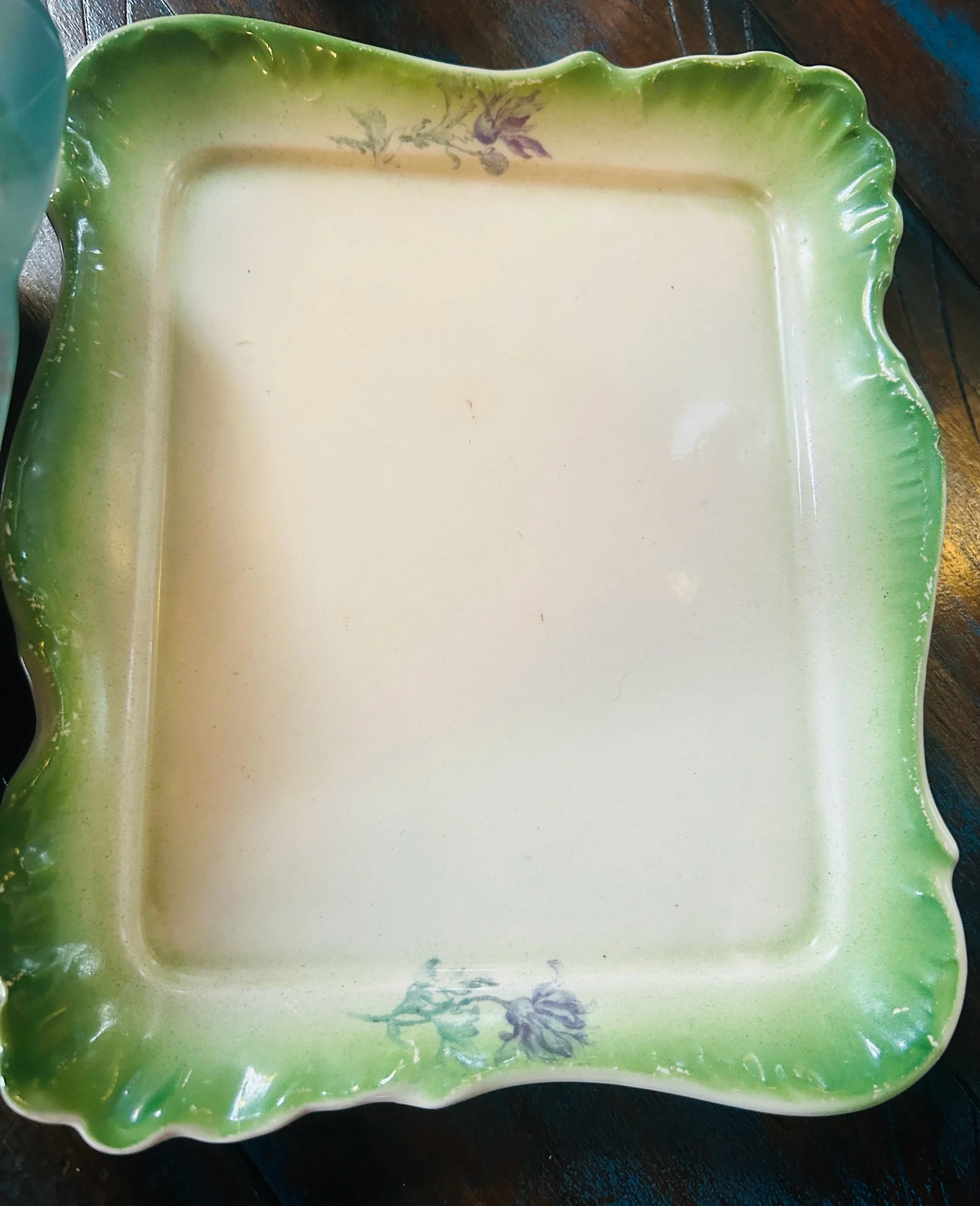 Image 5 of 7
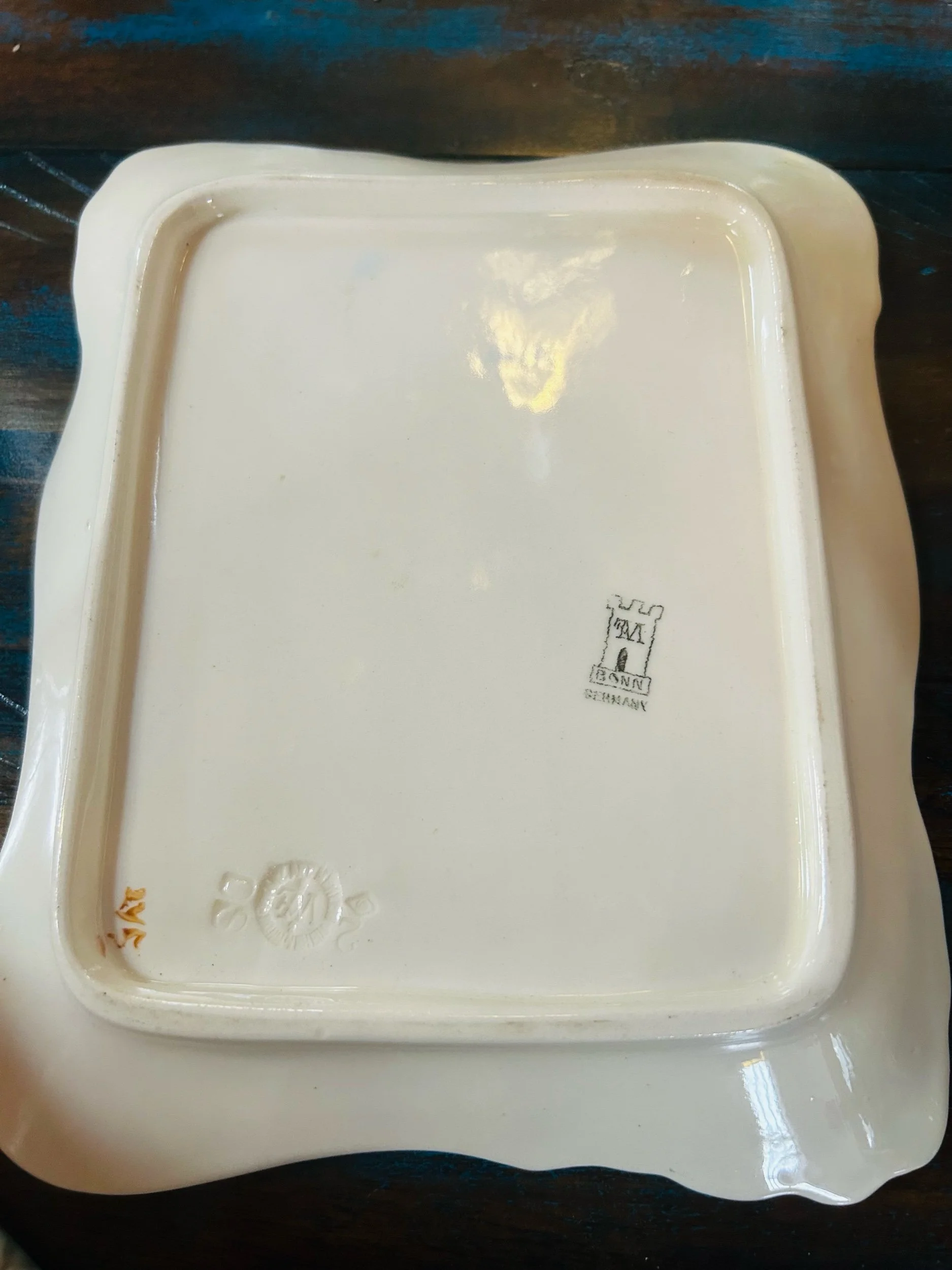 Image 6 of 7
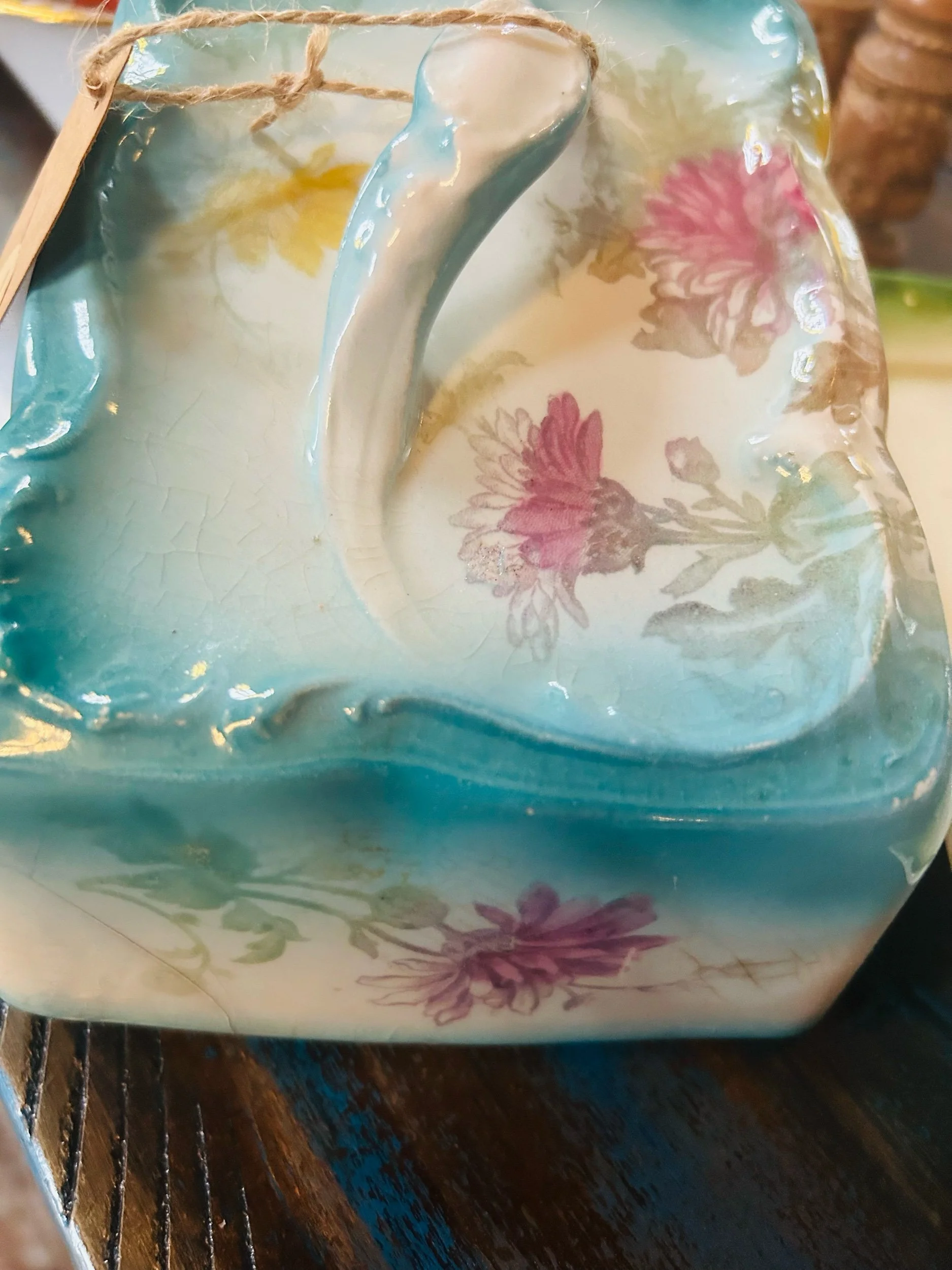 Image 7 of 7